
Many homeowners see insurance as a safety net. You pay for a policy, and if something unfortunate happens, you expect the coverage to help you recover. While this is true, insurance providers often hope homeowners will also take practical steps to reduce the chances of a claim ever being needed.
From the perspective of an insurer, prevention is always better than compensation. A well-secured property not only protects your belongings but also lowers the likelihood of theft, damage, or disputes during a claim. Yet many homeowners do not realise how closely home security and insurance expectations are connected. Understanding what insurers actually look for can help you make smarter decisions about protecting your home.
What Home Insurance Providers Wish Every Homeowner Understood About Security
Strong Locks Are Still One of the Most Important Protections
Despite all the modern technology available today, insurance providers still place great importance on something very simple: reliable door and window locks. These basic features remain one of the first things assessed when evaluating a property’s security.
If a break-in occurs and investigators find that a door was unlocked or a window was left open, it can complicate the claims process. Insurance policies often expect homeowners to take reasonable precautions to secure entry points.
This is why many policies specify certain lock standards, especially for front and back doors. Ensuring that these locks meet recognised security standards can strengthen both the safety of your home and the reliability of your insurance coverage.
Visible Security Measures Often Reduce Risk
Insurance providers know that visible security features can discourage opportunistic crime. A home that clearly appears protected is usually less appealing to someone looking for an easy opportunity.
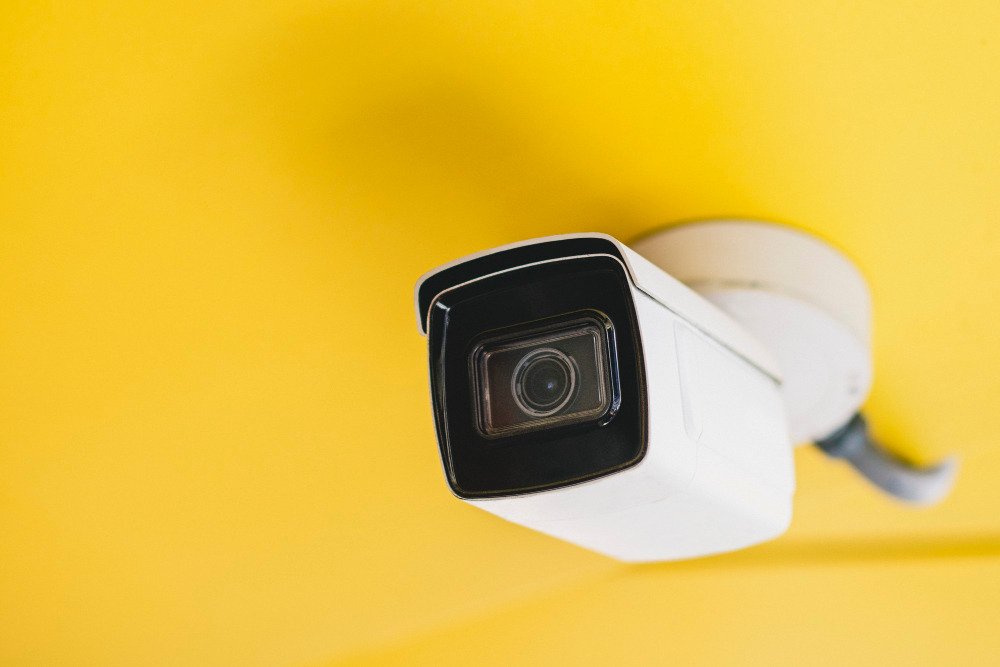
Outdoor lighting, monitored entrances, and security cameras all signal that the homeowner is attentive to what is happening around the property. Even small visible deterrents can influence how a home is perceived by someone considering unwanted access.
For this reason, some insurers encourage homeowners to improve monitoring around key entry points. A well-placed household security camera Leeds residents sometimes use can help keep an eye on driveways, front doors, and pathways where visitors typically approach the house. These systems do not guarantee that incidents will never happen, but they often reduce the likelihood of opportunistic behaviour.
Proper Installation Matters More Than Many People Realise
Adding security equipment is helpful, but how that equipment is installed also plays an important role. A poorly positioned camera or sensor may fail to capture useful information during an incident.
Insurance providers recognise that properly installed systems tend to perform better when needed. Cameras should cover entrances, walkways, and other areas where someone might approach the home. Lighting and viewing angles should also support clear recordings.
Because of this, some homeowners seek guidance from a professional security camera installer who can recommend appropriate camera positions and ensure devices are functioning correctly. When monitoring systems are installed carefully, they are far more likely to provide reliable evidence if something unexpected occurs. Proper installation helps ensure that security measures actually perform the task they were designed for.
Documentation Can Make Claims Much Easier
Another detail insurance providers often emphasise is documentation. Many homeowners do not keep clear records of their possessions until after something has already happened.
Maintaining a simple inventory of valuable items can make a significant difference during a claim. Photographs, receipts, or warranty documents can help confirm the value of items that may be lost or damaged.
This type of record-keeping does not take much time, but it provides useful evidence if you ever need to explain what was stored in the home. Insurance providers generally find it easier to process claims when homeowners can clearly document their belongings.
Maintenance and Property Care Also Affect Security
A well-maintained property is usually a more secure property. Broken gates, damaged locks, or poorly lit entrances can create vulnerabilities that make a home easier to approach. Insurance providers often look favourably on homeowners who actively maintain their property. Regular checks of doors, windows, and lighting systems help ensure that security features continue to work properly.
Maintenance also signals that the home is actively occupied and cared for. Properties that appear neglected can sometimes attract unwanted attention, while tidy and well-lit homes tend to discourage suspicious behaviour. Keeping the property in good condition supports both safety and insurance expectations.
Everyday Habits Play a Bigger Role Than Technology Alone
Technology has certainly improved modern home security, but insurers still recognise that everyday habits play an equally important role. Locking doors, collecting deliveries promptly, and being aware of activity around the property all contribute to overall safety.
Neighbours who communicate with each other and pay attention to their surroundings also strengthen neighbourhood awareness. In many cases, a combination of simple routines and basic technology provides stronger protection than relying on equipment alone. Insurance providers understand that no home can be completely risk-free. However, responsible habits greatly reduce the chances of incidents occurring in the first place.
Security Is About Prevention, Not Just Protection
Home insurance exists to help homeowners recover after unexpected events, but the real goal is to prevent those situations from happening whenever possible. By securing entry points, installing visible monitoring, maintaining the property, and keeping clear records of possessions, homeowners create an environment that is both safer and easier to insure.
When you view home security through the same lens as your insurance provider, the connection becomes clear. Every step that improves awareness, reduces risk, and protects your property ultimately benefits both you and the company providing your coverage.
Leave a Reply