
There is a reason some skincare products survive generation after generation while trendy products disappear after a few months. The products that last usually do something simple really well. They make people feel comfortable in their own skin without needing complicated routines or endless instructions. That is exactly why traditional African skincare products are getting attention again. People are exhausted by overwhelming beauty trends and are starting to move back toward routines that feel more natural, slower, and honestly easier to trust.
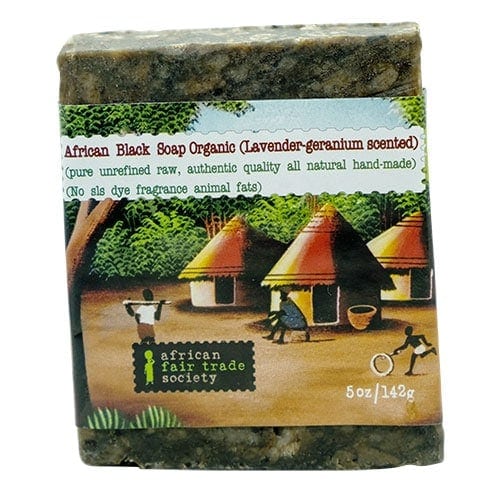
One product that keeps coming up in these conversations is raw african black soap. People are drawn to it because it feels connected to real traditions instead of temporary internet hype. Collections from African Fair Trade Society focus on traditionally crafted black soap products made with ingredients like shea butter, cocoa pods, palm ash, and natural plant oils. The company explains that these soaps are designed to support healthy skin while staying free from harsh chemical additives.
People Are Moving Away From Harsh Skincare
For years, skincare routines kept becoming more aggressive. Strong exfoliants, acids, peels, and complicated layering routines became normal. A lot of people followed those trends hoping for perfect skin, but instead ended up with irritation, dryness, and skin barriers that felt completely damaged. Skin usually responds much better to balance than constant stress.
That is probably why traditional cleansing products are becoming popular again. They feel simpler and more practical. Instead of trying to completely transform your face overnight, they focus on cleansing gently and supporting the skin naturally over time. Most people do not need ten products sitting on their bathroom shelf. They usually just need consistency, moisture, proper sleep, hydration, and products that do not overwhelm their skin every single day.
Natural skincare routines also fit better into real life. Washing your face, moisturizing properly, and keeping your skin comfortable should not feel like a full time job. Simpler routines are easier to stick with, and honestly, routines people actually maintain usually work better long term than complicated systems people quit after two weeks.
What Makes Raw African Black Soap Different
One thing many people notice right away is that authentic African black soap usually does not look like the perfectly smooth black bars sold everywhere online. Traditional black soap often has a rougher texture with uneven brown and dark tones because it is handmade using traditional methods. People discussing authentic African black soap online frequently point out that genuine versions are usually rough, earthy, and not perfectly jet black.
African Fair Trade Society explains that their black soap is handcrafted using shea butter, cocoa pods, palm ash, and natural oils while preserving traditional African skincare methods. The soap has historically been used for concerns like dry skin, dark spots, razor bumps, scalp irritation, and uneven texture while also helping lightly exfoliate the skin.
Dermatology discussions about African black soap also mention that the soap naturally contains plant oils and compounds created during traditional soap making processes that help cleanse and moisturize the skin. Many experts recommend following up with moisturizer afterward because the soap can feel drying for some skin types if overused.
Simpler Habits Usually Create Better Skin
A lot of skincare improvements happen slowly through habits people barely think about. Drinking more water, getting decent sleep, reducing stress, and using gentle cleansers consistently usually make more difference than constantly chasing trendy products online. Healthy skin is often more about routine than perfection.
Many people who use traditional black soap say consistency matters much more than using it aggressively. Online discussions often recommend creating a lather with your hands first instead of rubbing the soap directly onto sensitive skin. Others mention starting slowly a few times a week before increasing use depending on how your skin reacts. Everybody’s skin behaves differently, so listening to your own skin usually works much better than copying someone else’s exact routine from social media.
Natural soaps also tend to fit into everyday life more naturally. Some people use them as face cleansers, others for body care, and some even use them for scalp cleansing. That versatility is part of why these products have remained popular for generations instead of fading away after a short trend cycle.
Why Ethical Sourcing Matters More Today
People are becoming more thoughtful about where skincare ingredients come from. They want products connected to fair sourcing and communities that actually benefit from the process instead of being ignored behind the scenes. That awareness has become a big reason many people choose fair trade skincare brands today.
African Fair Trade Society explains that purchases help support education, healthcare, and economic opportunities within West African communities, especially for women involved in traditional shea butter and soap production. That kind of connection makes skincare feel more meaningful because it becomes tied to real people and real traditions instead of just marketing language.
At the end of the day, skincare probably should not feel so complicated. Most people simply want routines that feel manageable, products they trust, and ingredients connected to something authentic. Sometimes the oldest skincare traditions continue lasting because they were built around care, simplicity, and consistency from the very beginning.


Comments are closed.