
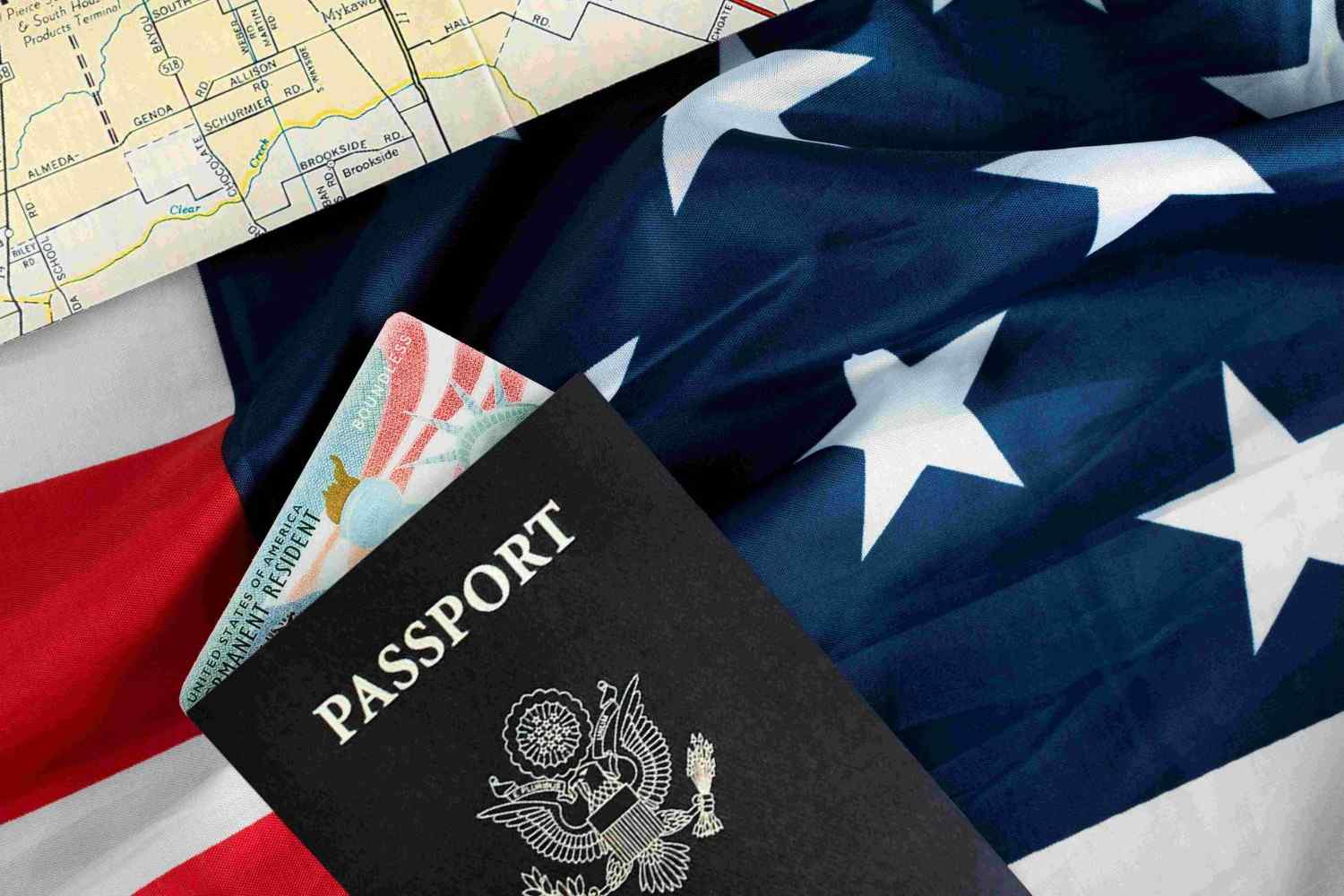
Trying to bring your spouse, children, or other family members to the United States feels deeply personal. It’s about more than forms and deadlines — it’s about building a life with the people you care about most. But U.S. family-based immigration law is complicated. There are eligibility rules, specific visa categories, evidence requirements, adjustment of status steps, and sometimes long waiting periods before your case moves forward. That’s usually when people start looking for a family immigration lawyer Chicago — someone who can help them navigate all of this with confidence and clarity.
Professionals who focus on family-based immigration understand the emotional and legal challenges involved in reuniting families. Chicago is home to many attorneys who handle petitions, green card filings, and all the related steps that come with family sponsorship. The team behind usa-immigrationlaw.com has experience helping families through these complex processes, ensuring that each part of the application is completed correctly and moving forward in the right way.
What “Family Immigration” Really Means
Family-based immigration covers a wide range of relationships. U.S. citizens and permanent residents can sponsor several categories of family members. Immediate relatives (like spouses, minor children, and parents of U.S. citizens) typically have faster processing because there are no numerical limits on their visas. Other relatives, like adult children or siblings of U.S. citizens, fall under preference categories that are subject to annual quotas and longer waits.
A family immigration lawyer Chicago helps you understand which category applies to your situation and what documentation is needed. They help sponsors file the correct petition forms (such as I-130 for relatives), gather evidence of legitimate family relationships, and complete supporting forms like affidavits of support that prove you can financially sponsor your loved one.
Avoiding Mistakes Before They Happen
Even the smallest mistake — a missing signature, incorrect date, or incomplete document — can slow down your case or result in a request for more evidence. Family immigration attorneys work with you to catch common errors before the government even sees them. They know what USCIS looks for, how the consular processing works for relatives abroad, and how adjustment of status works if your family member is already in the U.S.
Attorneys also help with all sorts of subtleties and special cases. For example:
- K-1 fiancé visas for couples planning to marry in the U.S.
- I-130 petitions for spouses, parents, and children.
- Adjustment of status for family members already in the country.
- Waivers when certain eligibility issues come up.
These aren’t always intuitive steps, and missing a key detail can delay your process by months or years.
What You Can Do Before You Meet
Before reaching out to legal help, it helps to gather your key documents: passports, proof of relationship (marriage or birth certificates), prior immigration notices, and any other supporting paperwork. Coming to a consultation with those in hand means you can get clearer answers and a better plan right from the start.
Be honest about your situation. If there were prior immigration issues, visa denials, or periods of unauthorized stay, bringing them up early gives your lawyer the best chance to advise you correctly and plan for potential challenges.
Why Support Matters
Family immigration is not just legal work. It’s about real people and real futures. The immigration system is built on the idea of family unity, but the pathway from petition to approval can be long and confusing. Having someone who knows the rules, how forms are interpreted, and what officers look for makes the journey feel more manageable and less stressful.
A trusted family immigration lawyer Chicago serves as both a guide and an advocate — helping you submit forms properly, prepare for interviews, and keep your case moving through the system. When you have clarity about your options and support throughout the process, you’re not just filing paperwork — you’re reducing fear and building confidence in a path forward with the people you love.


Comments are closed.